
SAGLY MTB SUSPENSION CHECKLIST
MTB Suspension Setup Checklist
A repeatable pre-ride routine for better grip, comfort and control.
Use this MTB suspension setup checklist before every ride to catch the settings and condition issues that affect grip, comfort and control.
Start from the same baseline, change one setting at a time and record what you learn on the trail.
Quick answer
Check tire pressure, inspect the fork and rear shock, confirm your SAG baseline, note rebound and compression positions, then test the bike on a familiar trail section.
Stop and service the bike if you find oil, damage, unusual play or a sudden loss of pressure.
View the complete checklist60-second pre-ride checklist
- Check tire pressure. Adjust for rider weight, casing, inserts and terrain.
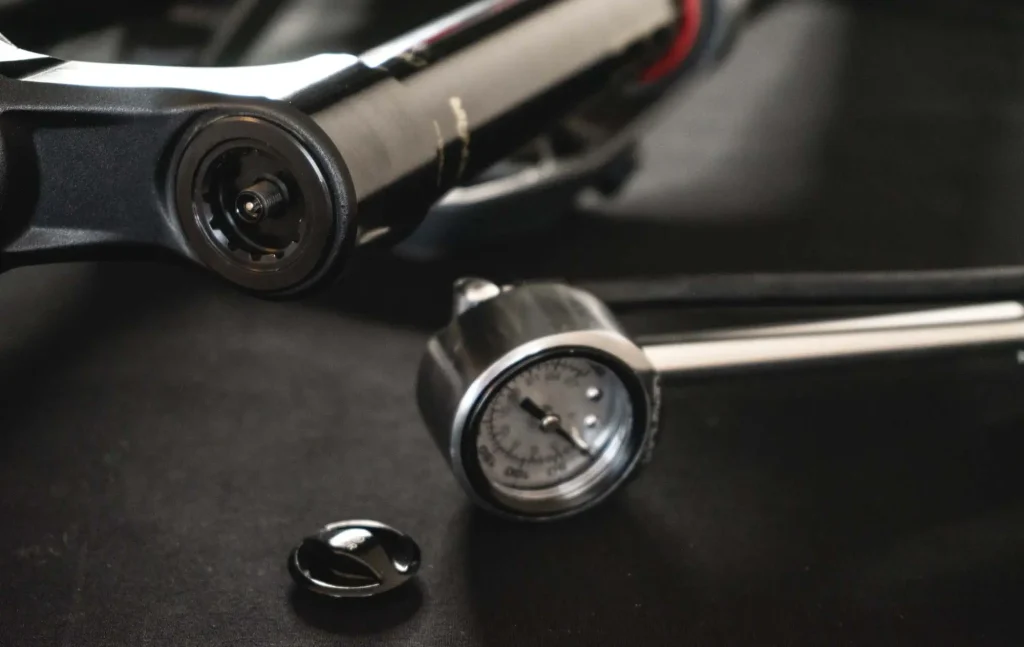
- Inspect the fork and rear shock. Check shafts, seals, air caps, adjusters and hardware.
- Confirm SAG. Measure in your normal riding position and equipment.
- Return to your baseline. Check documented rebound and compression positions.
- Check suspension movement. Confirm smooth travel without unusual friction or stiction.
- Inspect for leaks or damage. Do not tune around a mechanical problem.
- Test one change at a time. Use the same trail section for comparison.
- Record the result. Save pressure, SAG and click positions after the ride.
1. Set and record your baseline
Suspension settings are easier to compare when the starting point is repeatable. Record rider weight with riding gear, tire pressure, fork pressure, rear-shock pressure or spring rate, SAG and the number of rebound and compression clicks.
Best practice: Take a photo of your clicker positions and save your pressure and SAG numbers before changing anything.
Follow the complete MTB suspension setup guide for the correct adjustment order.
2. Check tire pressure and suspension condition
Tire pressure changes how much work the suspension has to do. Set tire pressure before judging the fork or rear shock.
Before tuning
- Wipe the fork and shock shafts clean.
- Look for fresh oil around the seals.
- Check for damaged shafts or adjusters.
Before riding hard
- Confirm smooth movement through the travel.
- Check for unusual friction or play.
- Inspect axles, linkage and shock hardware.
Use the MTB tire pressure calculator for a reliable starting point.
3. Measure fork and rear-shock SAG
Measure SAG in your normal riding position and with your usual helmet, shoes, pack, water and tools.
Fork SAG
Check O-ring movement and compare the result with a suitable starting range.
Coil rear shock
Choose a compatible spring rate, then verify the actual SAG on the bike.
4. Tune rebound and compression in small steps
Start from your documented baseline and change only one control at a time.
Rebound
- Too slow can make the suspension pack down.
- Too fast can make the bike feel nervous or bouncy.
- Make one or two clicks at a time.
Compression
- Too much can reduce comfort and grip.
- Too little can reduce support.
- Test on the same trail section.
Read the low-speed compression setup guide for more detail.
5. Test, compare and record the result
- Ride the baseline. Choose one familiar climb, corner, braking zone or rough section.
- Make one small change. Adjust only one pressure, spring or damping control.
- Repeat the same section. Use a similar line and pace.
- Record the result. Note whether grip, support, comfort or control improved.
One variable at a time. If you change tire pressure, fork pressure and rebound together, you will not know which adjustment caused the result.
When to stop tuning and service the bike
Tuning cannot fix a leaking seal, damaged shaft, worn bushing, contaminated oil or loose hardware.
Use the MTB maintenance tracker guide to identify service items.
For fork stiction, oil leakage or an overdue service interval, read the mountain bike fork service guide .
MTB suspension setup checklist: FAQ
How often should I check my suspension settings?
Check visible condition and tire pressure before every ride. Recheck SAG after pressure changes, a service, a significant weight change or a noticeable change in ride feel.
Do I need different settings for every trail?
Usually you need one dependable baseline. Make small terrain-specific changes only when you can test and compare them.
What should I do if I cannot reach the target SAG?
Confirm your measurement position, riding weight, shock travel and manufacturer guidance. If the target is still unreachable, check compatibility and ask a qualified suspension technician.
Save your baseline and improve one change at a time
SAGLY helps riders keep pressure, SAG, rebound, compression and trail feedback together so useful setups are easy to repeat.
Discover the SAGLY mountain bike app